
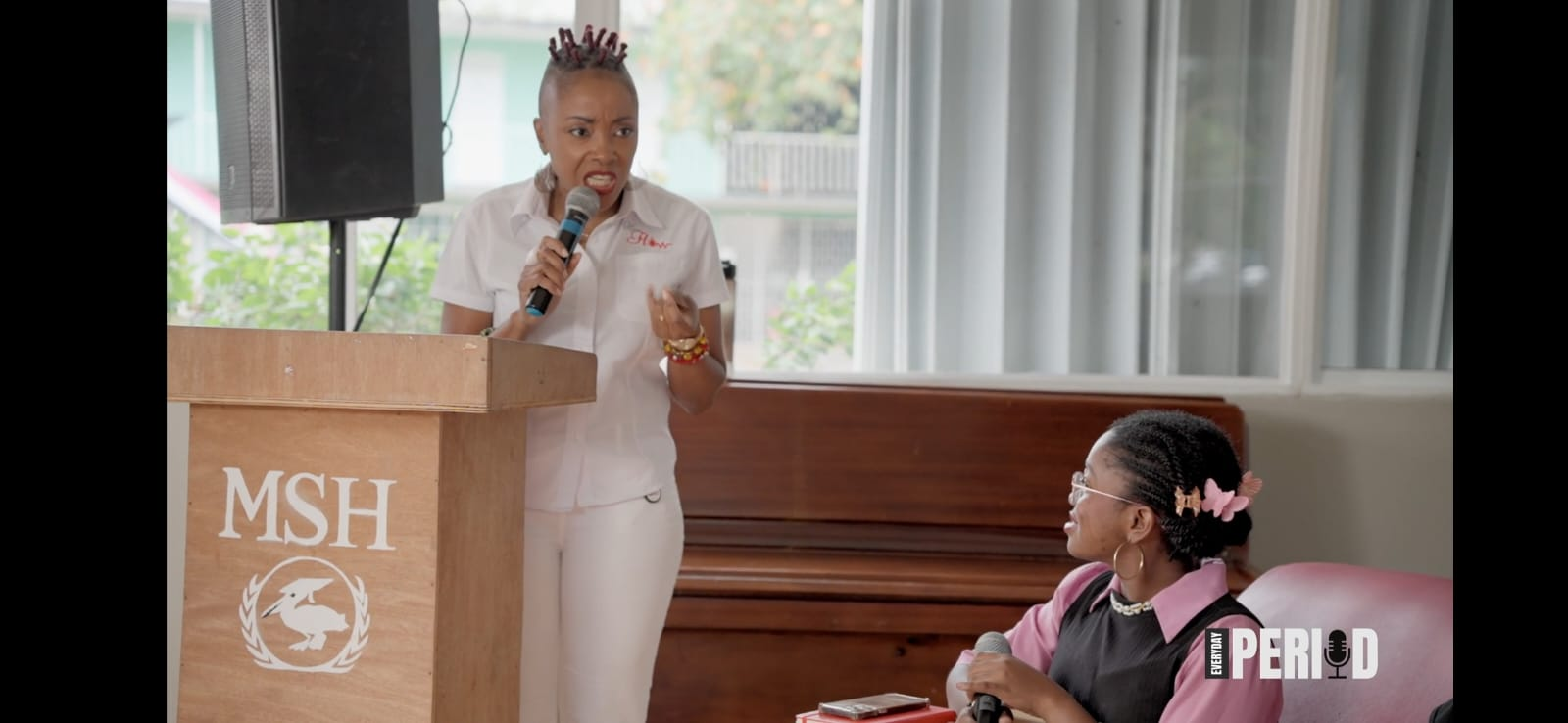
Kingston, Jamaica — March 6, 2026 — More than 50 university students gathered at Mary Seacole Hall for the inaugural “Babies, Bills and Big Decisions” panel discussion, a timely forum exploring the social, economic, and reproductive health factors shaping young Jamaicans’ decisions about starting families.
Hosted by HerFlow Foundation in partnership with Mary Seacole Hall at the University of the West Indies, Mona, the event marks the first in a planned series of engagements aimed at involving young Jamaicans in meaningful dialogue about Jamaica’s declining birth rate and the realities influencing family planning choices.
The panel featured insightful presentations from Dr. Nadine Spence, Dr. Dunbar, Catherine Lloyd, and Dr. Jade McIntosh, who shared perspectives on reproductive health education, maternal care, and the economic considerations shaping young people’s decisions about parenthood.
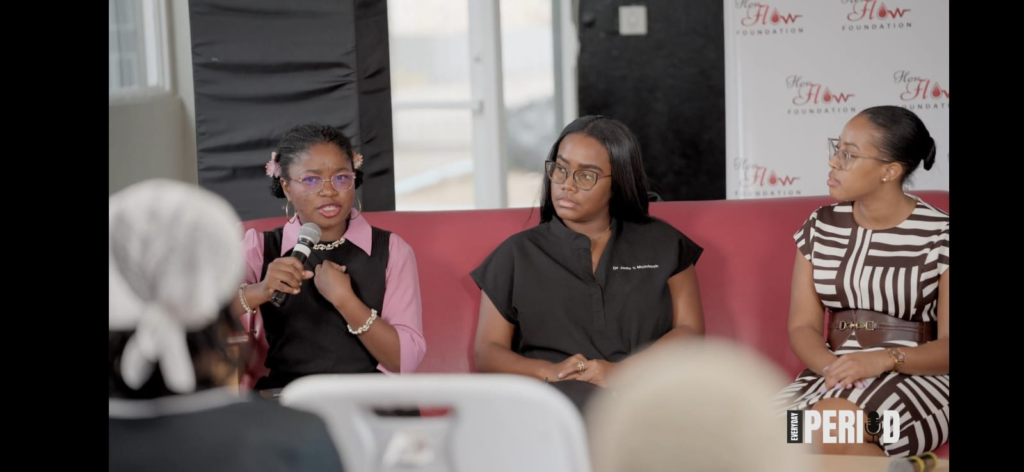
Participants described the conversation as enlightening and highly relevant, highlighting the range of factors that influence whether and when they decide to have children.
Several important issues emerged from the discussion as key considerations for young Jamaicans contemplating parenthood. These included:
- Access to affordable housing
- Longer maternity leave and more robust paternity leave
- Affordable and reliable childcare for working mothers
- Improved healthcare services before, during, and after pregnancy
- Better hospital facilities and support for mothers experiencing complicated pregnancies
- Stronger parenting support systems, including mental health services
Despite these concerns, the discussion revealed that nearly 80 percent of participants expressed interest in having children in the future. However, they emphasized that improvements in Jamaican society are necessary to ensure healthier outcomes for mothers and children.
Shelly-Ann Weeks, Executive Director of the HerFlow Foundation, noted that the conversation comes at a critical moment for the country.
“Young Jamaicans are not rejecting parenthood — they are asking for the conditions that make it possible to raise healthy families. Conversations like these give us the opportunity to listen directly to their concerns and aspirations so that national discussions about population and reproductive health reflect their lived realities.”
Dr. Nadine Spence also underscored the importance of creating spaces where students can openly explore the pressures shaping their life decisions.
“University students are thinking very carefully about the kind of future they want to build — not only for themselves but for the families they may one day have. Dialogues like this help them examine the economic, social, and health realities around parenting, while also encouraging critical thinking about the kind of society we need to create to support the next generation.”
The “Babies, Bills and Big Decisions” series will continue with additional engagements aimed at deepening youth participation in conversations around reproductive health, population trends, and the policies needed to support young families in Jamaica.
Organizers hope the insights gathered from these discussions will contribute to more informed public dialogue and policy considerations about Jamaica’s changing demographic landscape.
